


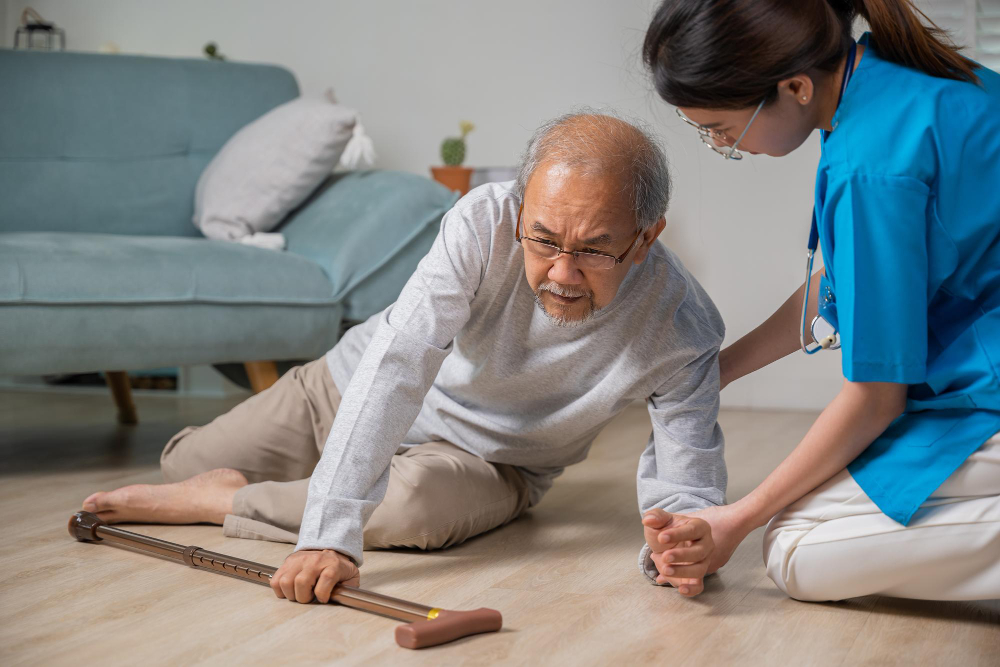
 Although falls are a natural part of learning to walk in infancy, they are a major safety concern and can have serious consequences for older adults, particularly those who live alone. According to the WHO, globally, falls are the second largest cause of accidental deaths. Technological advancements, particularly AI-powered fall detection systems, provide safety for older adults, improve communication with families, and allow caregivers to respond rapidly in times of need.
This article discusses the importance of this technology and how it supports independence, dignity, and peace of mind for everyone involved.
Why Falls Represent One of the Biggest Risks for Seniors
Falls can have serious consequences in older adults, such as fractures, head injuries, or long-term mobility issues. In addition, a fall can cause older adults to lose confidence, become fearful, reduce physical activity, and become isolated, making daily activities challenging. Long-term immobility due to extended bed rest at home or in the hospital can cause pressure sores, dehydration, or other complications. Therefore, safety measures must be in place to prevent such accidents.
How AI-Powered Fall Detection Works
AI-powered fall detection employs smart technology that automatically detects falls. The person is not required to push a button or call for help. A combination of sensors, machine learning, and sometimes computer vision is used for tracking movements, detecting patterns, identifying risks, and alerting family members when a fall occurs.
The working of the most common approaches is discussed below.
Wearable Sensors
Many fall detection systems use wearables (e.g., smartwatches, pendants) equipped with gyroscopes and accelerometers that sense movement and orientation. An advantage of wearable sensors is that they can function anywhere: at home, outside, or even at night. When the sensor detects sudden movement changes or a hard impact that resembles a fall, the movement is analysed by an AI algorithm (in milliseconds) to decide if it is a real fall. If it is, the system triggers an alert.
Camera and Vision-Based Systems
Some AI fall detection technologies use computer vision. This is useful for people who dislike wearing devices or forget to wear them. This means a camera or sensor monitors body posture and movement patterns. The AI tracks movements and recognises when they match fall behaviour. It can also distinguish a real fall from actions like sitting down. When a fall occurs, it prompts the user for verbal confirmation or sends an alert to family members when the user is nonresponsive.
Radar, LiDAR, and Motion Sensors
Other advancements include radar or LiDAR sensing technology that monitors motion without using cameras or wearable devices. These sensors analyse reflected signals and detect falls across a room, without invading a person’s privacy.
Also Read: Choosing the perfect gift for your senior
Traditional Methods of Fall Detection Versus AI-Based Detection
- Earlier, it took frequent visits by family members to ensure the well-being of the elderly. Though well-meaning, this did not help as falls require immediate attention.
- Pendant alarms have also been used, wherein, at the press of a button, the family is alerted. The limitation of a pendant alarm is that older adults must remember to wear it at all times and ensure they are fully charged, which can be difficult if they are suffering from conditions such as dementia. Also, they may be unable to press the button if they are rendered unconscious or immobile due to the fall.
- The basic motion sensors of pendant alarms would raise a false alarm even when someone moved quickly to either sit down or get something.
AI-powered detection has been a game-changer, reliably detecting and monitoring falls. It studies patterns and does not raise an alarm for every sudden movement; it can differentiate between everyday activities and an actual fall, preventing unnecessary alerts and issuing an alert only when help is needed.
How AI Reduces False Alerts
The biggest downside of traditional fall detection systems was false alarms. Sending alerts even when a fall had not occurred caused unnecessary stress to families or caregivers, defeating the purpose and reducing the trust in the detection system.
AI reduces false alarms in two major ways:
Pattern Recognition: AI learns normal movement patterns of individuals, such as their manner of sitting, walking, lying down, or standing. Over time, it can differentiate between a true fall and normal movements. The ability to understand the context significantly lowers false-positive alerts compared to traditional detection systems.
Multiple Sensor Inputs: AI systems can combine and analyse data from vision-based systems, motion sensors, radar, and audio confirmation to obtain multiple signals before deciding if it is a true fall and triggering an accurate alert.
Real-Time Alerts to Caregivers and Family Members
AI fall detection systems' most reassuring feature is automatic alerts that are immediately sent to family members, emergency contacts, and caregivers. Once the system detects a probable fall, it can send a notification to a family member’s phone, automatically call emergency services, send location details to emergency responders, and record the fall for caregivers to detect trends. This real-time communication ensures help arrives in a matter of minutes, which can significantly prevent complications resulting from falls.
AI’s Role in Faster Emergency Response
Time is critical after a fall. The longer an individual remains on the floor, the greater the risks of serious complications such as dehydration, pressure sores, or even death. AI systems respond quickly by immediately detecting falls, providing accurate location, and alerting emergency services. Instead of discovering an older adult who has suffered a fall hours later, AI ensures help is summoned instantly.
Supporting Seniors Living Alone
AI fall detection systems are particularly helpful for older adults living independently. Many parents or grandparents prefer to age in a place that they have called their home for years, even after their children have moved out. In such instances, AI fall detection systems prove useful as they allow the elderly to maintain their independence without requiring constant monitoring. They provide safety even when family members are not physically present with them, and enable family members to remotely monitor their loved ones. These fall detection systems respect personal space while being a constant, silent companion.
Also Read: Tips to keep seniors happily busy
Benefits for Family Members Living Far Away
This technology offers peace of mind for children who cannot be present with their parents daily due to work or life commitments. For instance, if your parents reside in another city and the AI system detects a fall at 2 a.m., you are immediately notified, and emergency help is triggered, regardless of whether you are at work or asleep. You do not have to worry about unanswered phone calls or rely on a neighbour to inform you of their well-being. This is why AI fall detection technology is invaluable: timely notifications, reduced anxiety, and feeling connected despite the distance.
Privacy and Safety Considerations
Privacy is a major concern when using technology. Luckily, many AI fall detection systems are designed keeping a person’s safety and dignity in mind. Some systems minimise data exposure by processing it locally rather than by sending data to the cloud. Camera-based monitoring systems mask identities, do not continuously stream video, and initiate processing only upon fall detection. Radar and LiDAR systems detect movement without sharing actual images, thus maintaining privacy. These systems provide safety without compromising a person’s privacy.
Why Fall Detection Works Best Alongside Human Caregiving
Although AI fall detection systems are powerful tools, they are not a replacement for human care. A care plan that combines technology with human care works best. This includes regular visits from family members and caregivers; daily physical activity with a group of friends or in the presence of a caregiver; and keeping the home environment less prone to falls (non-skid floors, installing grab bars, and bright lights). AI can detect a fall in a matter of minutes, but the well-being and security of older adults still depend on human care and compassion.
The Real-Life Value of AI Fall Detection
AI-powered fall detection is a technology that keeps older adults safe, provides reassurance to families living far away, and allows caregivers to respond faster. Its real-life value is seen in fewer false alerts, quicker emergency response, independence of older adults, and protection of privacy.
Conclusion
Falls are considered a major health risk for older adults, but AI-powered fall detection provides families and caregivers with a new safety net. Combining intelligent sensors, machine learning, and real-time alerts, this technology automatically detects falls, sends immediate notifications to family members or emergency care services, reduces false alerts, and allows older adults to live independently. However, it is important to remember that while AI systems can summon help instantly, they cannot replace the love, support, care, and warmth provided by the people in their lives.
AI Fall Detection: Frequently Asked Questions
1. What is AI-powered fall detection?
AI-powered fall detection is a technology that uses sensors, machine learning, and smart devices to automatically detect when a person falls. It analyzes movement patterns and immediately sends alerts to caregivers or family members without requiring the individual to press a button.
2. How do AI fall detection systems work?
AI fall detection systems use a combination of technologies such as wearable sensors, cameras, motion detectors, or radar-based monitoring. These systems track movement patterns and use artificial intelligence to identify sudden changes in posture or impact that indicate a fall, triggering instant alerts.
3. What devices are used in AI fall detection?
Common devices used in AI fall detection include smartwatches, wearable pendants, camera-based monitoring systems, radar sensors, and LiDAR motion detection devices. Each device helps track movement and identify potential falls in different environments.
4. How does AI reduce false alarms in fall detection?
AI systems analyze movement patterns and learn a person's normal activities such as walking, sitting, or lying down. By understanding these patterns and combining multiple sensor inputs, AI can distinguish between normal movements and actual falls, significantly reducing false alerts.
5. Who benefits the most from AI-powered fall detection?
AI fall detection is particularly beneficial for older adults, individuals with mobility challenges, and seniors living alone. It provides immediate assistance during emergencies and offers peace of mind to families and caregivers.
6. Can AI fall detection help seniors live independently?
Yes, AI fall detection systems support independent living by providing continuous safety monitoring. Seniors can live in their own homes while family members receive alerts if a fall occurs, ensuring timely help.