



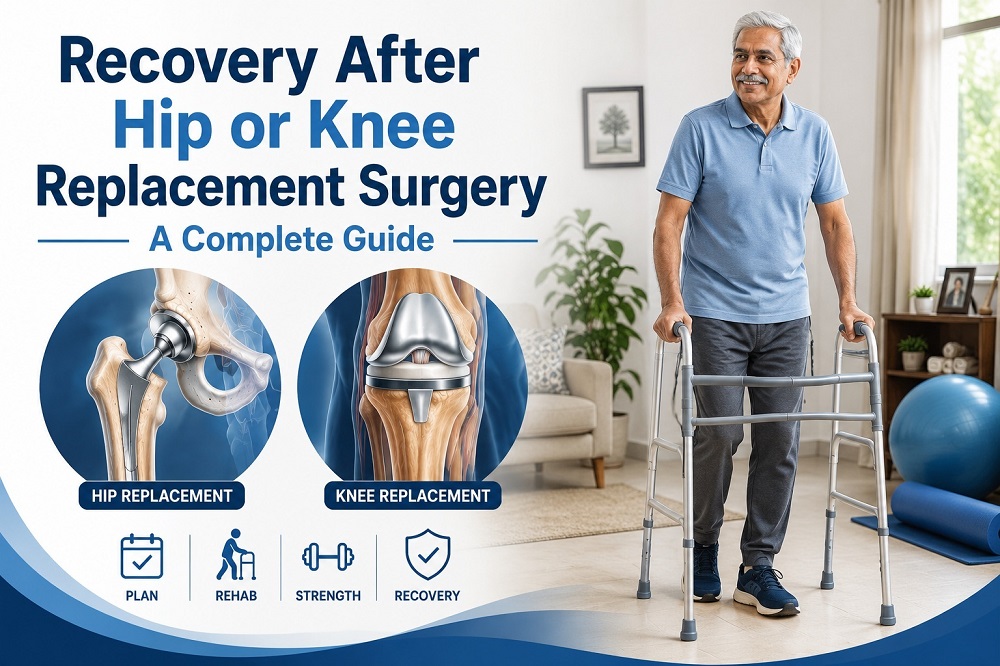
 Hip and knee replacements are among the most successful surgeries for restoring mobility in older adults. But the surgery itself is only half the journey. Recovery, rehabilitation, and consistent support in the weeks that follow determine how fully a patient regains function, independence, and quality of life.
Why Seniors Need Special Recovery Support
Older adults face a distinct set of challenges during post-surgical recovery that younger patients typically do not. These are not complications in the medical sense, but they are factors that meaningfully affect how quickly and how well recovery progresses. They include:
- Slower healing due to reduced tissue regeneration and circulation.
- Multiple pre-existing conditions such as diabetes, hypertension, or osteoporosis that complicate recovery.
- Higher fall risk, especially in the first few weeks when balance and strength are compromised.
- Medication management challenges, including pain relief, blood thinners, and existing prescriptions that must all be carefully coordinated.
Typical Recovery Timeline
Recovery after a hip or knee replacement generally unfolds across three phases. Progress varies by patient, but this framework gives families a realistic picture of what to expect.
Phase 1: Weeks 1 to 2
- Pain is at its highest. Medication adherence and rest are the priority.
- The patient begins basic mobility training under supervision, including sitting up, standing, and short walks with a walker or cane.
- Preventing blood clots and infection is critical during this window.
Phase 2: Weeks 3 to 6
- Formal physiotherapy sessions begin or intensify, focusing on range of motion and gentle strengthening.
- The patient gradually reduces dependence on walking aids.
- Daily routines such as bathing, dressing, and light movement become increasingly self-managed.
Also Read: Rehabilitation, and its part in trauma recovery
Phase 3: Weeks 6 to 12
- Strength and balance training take priority.
- Patients typically return to most daily activities, including short walks outside, light household tasks, and social engagement.
- Final follow-up with the surgeon usually occurs in this phase.
Challenges Families Often Face
Even when a surgery goes well, the recovery period at home presents real difficulties for families who are managing care without professional support.
- Fear of Movement: Both patients and family members often become overly cautious, avoiding recommended exercises out of fear of re-injury. This delays recovery.
- Missed Physiotherapy Sessions: Due to transportation difficulties, fatigue, or a lack of understanding, these critical sessions may be missed, affecting progress.
- Poor Nutrition: Protein, calcium, and hydration are essential for healing bone and soft tissue, yet many elderly patients eat less after surgery due to reduced appetite or post-anaesthesia effects. This once again affects recovery.
- Depression and Frustration: Extended immobility, pain, and dependence on others can trigger low mood, withdrawal, and a reluctance to engage with recovery routines, ultimately slowing the healing process.
How Physiotherapy Supports Recovery
Consistent physiotherapy is not optional. It is what translates a technically successful surgery into a functionally recovered patient. The benefits include:
- Faster recovery by restoring muscle strength and joint mobility progressively and safely.
- Reduced stiffness through targeted movement that prevents scar tissue from limiting the range of motion.
- Better balance, which directly reduces the risk of a second fall or injury.
- Improved confidence in movement, which supports the patient's willingness to participate in recovery.
Also Read: Tips to keep seniors happily busy
Warning Signs That Require Immediate Medical Attention
Families and caregivers should know what to watch out for. These signs indicate a potential complication and should not be managed at home.
- Fever above 38 degrees Celsius.
- Increased pain that is worsening rather than gradually improving.
- Swelling that is spreading or not reducing over time.
- Redness, warmth, or discharge around the surgical site.
- Breathing difficulties or chest pain, which can indicate a blood clot.
How Assisted Recovery Care Helps
- 24/7 Monitoring: A trained caregiver present at all times reduces fall risk and ensures that any warning signs are caught early.
- Medication Management: Correct dosing and timing of pain relief, blood thinners, and other medications are managed systematically.
- Daily Physiotherapy Support: Caregivers assist with prescribed exercises and accompany patients to physiotherapy sessions, ensuring consistency.
- Nutrition Support: Meal planning and preparation help elderly patients meet the elevated protein and calcium needs of healing.
Support for a Successful Outcome
A successful surgical hip or knee replacement is a significant achievement, but it is the beginning of a process, not the end of one. The quality of recovery in the 12 weeks that follow determines long-term mobility, strength and overall outcome. Structured rehabilitation, consistent physiotherapy, nutritional support, and attentive monitoring make the difference between partial recovery and restored independence.
Frequently Asked Questions About Hip and Knee Replacement Recovery in Seniors
How long does it take for seniors to recover from hip or knee replacement surgery?
Recovery typically takes between 6 and 12 weeks, although this can vary based on age, overall health, and commitment to rehabilitation. Most seniors gradually regain mobility through physiotherapy, exercise, and proper post-operative care.
Why is physiotherapy important after hip or knee replacement surgery?
Physiotherapy helps restore joint mobility, muscle strength, balance, and flexibility. Regular therapy sessions can reduce stiffness, improve walking ability, lower the risk of falls, and support a faster return to daily activities.
What challenges do seniors commonly face during recovery?
Older adults may experience slower healing, difficulty managing medications, reduced mobility, poor appetite, fear of movement, and a higher risk of falls. These factors can affect the speed and quality of recovery if not properly addressed.
What warning signs should families watch for after surgery?
Families should seek medical attention if the patient develops a fever above 38°C, worsening pain, increasing swelling, redness or discharge around the surgical site, breathing difficulties, or chest pain.
How can family members support recovery after joint replacement surgery?
Families can help by encouraging prescribed exercises, ensuring medication adherence, providing nutritious meals, assisting with mobility, attending follow-up appointments, and creating a safe home environment to prevent falls.
What foods help seniors recover after hip or knee replacement surgery?
A balanced diet rich in protein, calcium, vitamin D, fruits, vegetables, and adequate hydration supports tissue healing, bone health, muscle recovery, and overall rehabilitation.