



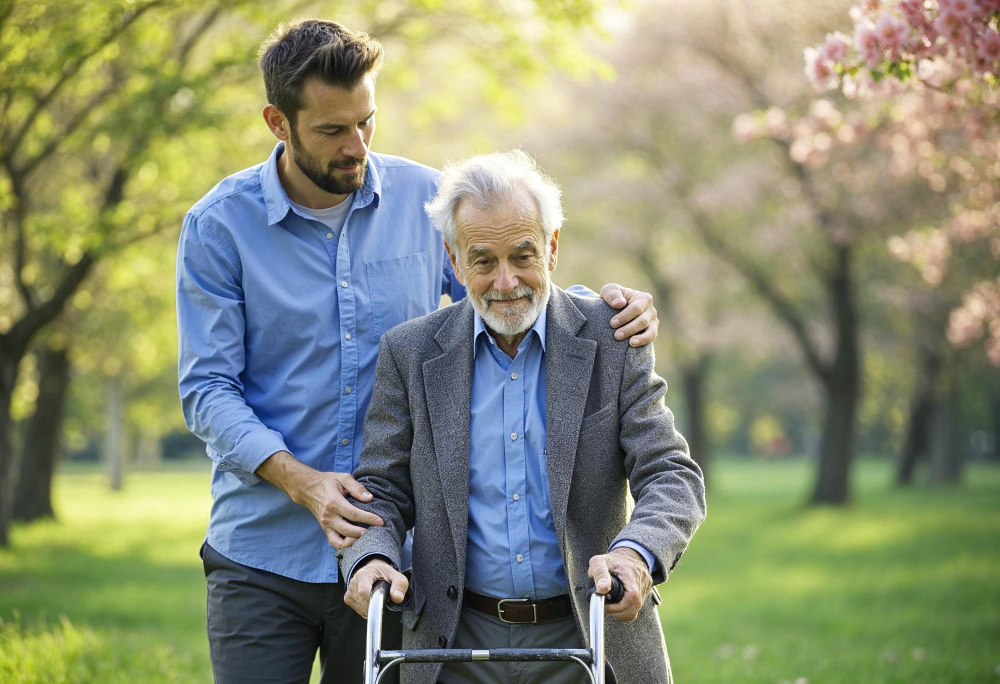
 Ageing is a natural process, yet many misconceptions cause people to dread getting old or caring for ageing family members. People associate growing old with losing independence, dignity, or quality of life, influencing how families perceive caring for older adults. Forgetfulness and illnesses are considered normal for older adults. This perception, unfortunately, causes unnecessary worries, regrettable decisions, and delays in receiving the required support and medical intervention.
Ageing comes with its challenges at the physical, mental, and emotional levels, but all of it can be handled. Older adults can lead healthy, happy lives and preserve their mobility by following an active lifestyle and a balanced, nutritious diet.
This article briefly discusses the myths associated with ageing and how evolving caregiving approaches are busting them.
Myth: Ageing Always Means Loss of Independence
People associate getting older with a loss of control over daily life. It is incorrect to assume that older adults cannot care for themselves and are dependent on others. Independence is dynamic and changes with time, and any kind of physical or cognitive disability can cause people of all ages to require assistance.
The truth is, many older adults continue to live active lives. The loss of independence is not age-related but a result of physical limitations due to a lack of support. Doctors emphasise the importance of physical activity (e.g., walking, yoga) that helps seniors maintain long-term independence, and encourage them to practice self-care and meaningful routines. They also advise family members to install grab bars and smart home technologies that help seniors have control over their routines and choices.
Myth: Assisted Living Is Only for Very Sick Seniors
A common misconception is that only very sick older adults reside in assisted living or supportive housing communities. The reality is far from this.
Many seniors choose to move to assisted living despite being physically and mentally fit. They prefer assisted living for community, convenience, and a maintenance-free life, not because they cannot function on their own. Assisted living can cater to their needs based on their preferences. Some may not require constant support, while others may need structured care.
Seniors may be assisted with medication reminders, provided with meals that suit their needs, or aided with mobility, without compromising their social interactions, choices, and routines.
Myth: Memory Loss Is a Normal Part of Ageing
Memory loss is not a consequence of ageing. Some instances of forgetfulness are normal with age, such as failure to recollect a name or where the house keys are kept. However, a progressive and significant decline in memory is a red flag and signals neurodegenerative diseases, such as dementia. This requires further assessment and testing.
Doctors always recommend a healthy diet, moderate exercise, social interactions, and mental stimulation to keep the brain sharp as age advances. Thus, memory loss should not be assumed to be a consequence of increasing age, and medical guidance must be sought if there are serious concerns.
Also Read: What is Transitional care? And why is it important?
Myth: Seniors Can’t Learn or Adapt to New Routines
Another widely prevalent view is that older adults cannot learn new things, especially when it comes to habits, technology, or routines.
The truth is that older adults are willing to embrace change and adopt and adapt to new routines. They are also eager to learn new skills, pursue new hobbies, and use digital tools when provided with a patient, supportive, and encouraging environment. In fact, most older adults have a smartphone and use the internet frequently to stay in touch with family and friends. The brain’s ability to learn new things does not stop with age; in fact, doctors encourage lifelong learning to strengthen cognitive function.
Myth: Home Care Is Less Effective Than Hospital Care
Home care can be more effective and better suited to cater to the needs of older adults than an institutional setting. Older people do not need to leave their homes and move into assisted living. Home care is a flexible care option that allows seniors to remain in the comfort of their own homes and feel safe, while supporting them in their daily life activities, without them losing their independence. Home care can be tailored to their changing abilities and health demands. Their own home can be equipped or adapted to the challenges they face, which include personal care, mobility assistance, medication reminders, and companionship.
Older adults with cognitive concerns have shown better emotional well-being and engagement when they stay in familiar surroundings. A hospital setting could cause stress, discomfort, and a feeling of dependence for older adults who do not require active medical care.
Myth: Elderly Care Means Loss of Dignity
This most hurtful myth, associating care with loss of dignity and self-worth, is busted by modern caregiving approaches that aim to maintain the respect, autonomy, and dignity of older adults.
Person-centric planning is at the heart of a good care model. Older adults are involved in the decision-making process regarding their preferences and daily lives, instead of routines being dictated to them. This approach is based on the concept that older adults have the right to make their choices, even if it is risky, as part of their autonomy and dignity. Overprotectiveness can hamper their self-esteem. Modern caregiving practices focus on lending a patient ear and empowering them, not controlling them.
Reality: Personalised Care Improves Independence
Modern-day caregiving does not rob older adults of their independence; in fact, it is personalised and designed to enhance their independence and maintain their respect.
Personalised care involves understanding their likes, dislikes, and routines; setting goals and being mindful of their individual interests; and adapting their support system depending on their needs over time. This could involve helping them with morning routines, medication reminders, meal preparation and mobility aids, or offering companionship, to enable as much independence as possible. This approach not only provides them with safety and comfort but also makes them feel capable, confident, and in control of their lives. Whether it is assisted living or home care, personalised attention helps seniors thrive, not just survive.
Importance of Mental, Social, and Emotional Engagement
Ageing well is not only about physical health but also about mental, emotional, and social well-being. Active social, emotional, and intellectual engagement is a major contributor to longevity and overall wellness. Staying connected with family and friends, pursuing activities that stimulate the mind (e.g., music, learning new skills, or solving puzzles), or maintaining meaningful relationships that provide emotional support contribute to improved quality of life.
Also Read: Get a professional caregiver for your loved one
Modern Senior Care Focuses on Wellness, Not Just Illness
Modern-day senior caregiving models focus on prevention of illnesses, mental stimulation, and strength maintenance for improved quality of life. This translates to a tailored physical fitness routine, balanced and nutritious meals, activities based on their interests, and emotional and spiritual support. The goal is to treat ageing as a natural phase in which it is completely possible to lead a full, meaningful, and joyous life.
Rethinking Ageing with a Positive Lens
Seniors are active participants in life, not passive observers. They continuously learn, adapt, grow, create, and contribute in numerous ways to society. Considering ageing as a phase of decline not only affects how societies and families treat older adults but also how older adults perceive themselves.
Thus, the questions we need to ask ourselves for senior care include:
- “How can we restore older adults’ dignity and independence?”
- “What opportunities can provide them with a feeling of fulfilment?”
- “How can we cater to their needs that keep them safe and comfortable without imposing restrictions?”
Conclusion: Myths Busted, Realities Embraced
In summary, myths can influence our thoughts about ageing, which can lead to discrimination and incorrect decisions that can be detrimental to the safety and well-being of older adults. The reality is that seniors can enjoy their independence with support, environmental modifications, and their involvement in decision-making.
The choice between assisted living and home care is a personal choice that caters to their goals. By encouraging seniors to learn new skills, follow a healthy diet and exercise routine, maintain social interactions, and engage in intellectual stimulation, we can provide them with an environment in which they can thrive happily.
Modern caregiving approaches have shown that ageing is not something to be feared; proper planning, understanding their needs, showing compassion, and respecting their choices can empower them to lead fulfilling lives.
Frequently Asked Questions About Ageing and Senior Care
1. Is loss of independence a normal part of ageing?
No, ageing does not always mean losing independence. Many older adults continue to live active and independent lives. With proper support, regular physical activity, and a healthy lifestyle, seniors can maintain their independence for a long time.
2. Is assisted living only meant for very sick seniors?
No, assisted living is not only for seniors with serious health issues. Many older adults choose assisted living for convenience, safety, community interaction, and a maintenance-free lifestyle while still being physically and mentally active.
3. Is memory loss a normal part of ageing?
Mild forgetfulness can occur with age, such as occasionally forgetting names or misplacing items. However, significant or progressive memory loss may indicate conditions like dementia and should be evaluated by a doctor.
4. Can seniors learn new skills or adapt to new technology?
Yes, older adults can continue learning new skills and adapting to new routines or technologies. With encouragement and a supportive environment, seniors can easily adopt digital tools, hobbies, and lifestyle changes.
5. Is home care less effective than hospital care for seniors?
Home care can be very effective for many seniors. It allows them to remain in familiar surroundings while receiving personalised support such as medication reminders, mobility assistance, and companionship.
6. Does receiving elderly care reduce a senior’s dignity?
No, modern caregiving focuses on preserving dignity and autonomy. Person-centred care ensures that seniors are involved in decisions about their daily routines, preferences, and care plans.