



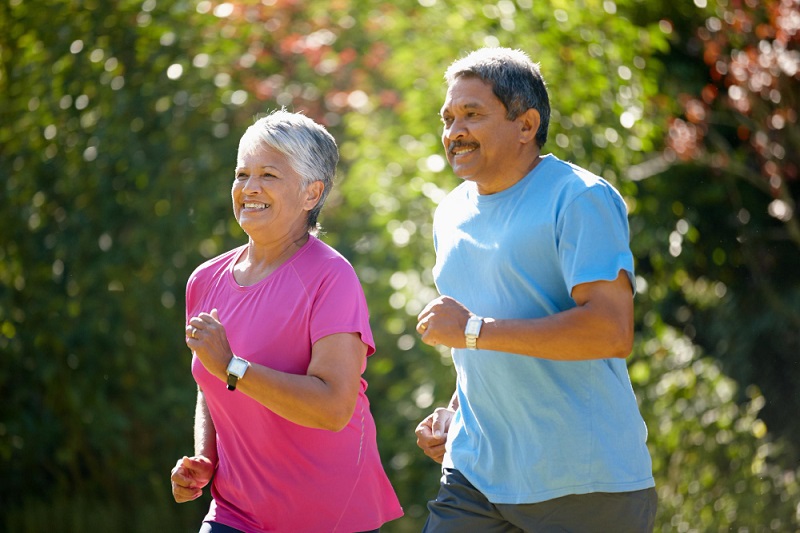
 As we age, it is crucial to stay physically active to maintain health, independence, and quality of life. Exercising regularly reduces the risk of developing chronic diseases, enhances mood, improves mobility, and reduces the risk of falls. The World Health Organisation recommends at least 150 minutes of moderate physical activity per week, in addition to strength training and balance exercises.
Walking, swimming, and yoga are some of the options recommended for older adults because they are reasonably safe and benefit both the body and mind. If you are wondering which of these exercises is the best, the fact is that each of these activities has its own advantages. The choice of exercise depends on a person’s preferences, fitness goals, and overall health status.
In this article, we explore the benefits of walking, swimming, and yoga to aid older adults in making informed decisions about how to be physically active.
Why Exercise Is Important for Seniors
With age, natural changes occur in the body: declining muscle mass, weakening bones, and deteriorating balance. The risk of sarcopenia, which is the loss of muscle mass and strength, increases significantly after 60 years of age, increasing the risk of falls and reducing mobility. Regular physical activity can slow the progression of these changes and promote overall health by:
- Improving lung and heart function
- Maintaining muscle strength and flexibility
- Reducing the risk of chronic diseases (e.g., diabetes and heart disease)
- Decreasing fall risk and improving balance
- Improving mood and cognitive function
Walking, swimming, and yoga are low-impact exercises, making them suitable for many older adults, even if they are beginners.
Walking: The Most Accessible Exercise
Walking is a type of aerobic exercise where the body moves continuously and at a steady pace. It can be done almost anywhere, including at parks, neighbourhoods, or even indoors on a treadmill. It is a preferred form of exercise to start with, as it requires neither training nor special equipment.
Benefits of Walking for Seniors
Heart Health: Walking is excellent for cardiovascular fitness. Regular brisk walking is recommended for cardiovascular fitness as it strengthens the heart and improves blood circulation, reducing the risk of heart disease and stroke.
Weight Management: Regular walking burns calories, improves metabolism, and helps maintain a healthy weight. Maintaining a healthy weight reduces stress on joints and the risk of chronic diseases.
Strong Bones and Muscles: Walking is a weight-bearing exercise that helps maintain bone density and reduces osteoporosis risk.
Mental Health: Walking outdoors daily, surrounded by nature and along with friends improves emotional well-being, resulting in improved mood, reduced stress, and better sleep.
Beginner-Friendly: A good pair of comfortable shoes is the only requirement to start walking. Also, the speed and duration can be adjusted as per the fitness level.
Possible Limitations
Although walking is a beneficial exercise and the foundation for remaining physically active, it may not be suitable for everyone. People with joint pain or severe arthritis may find walking difficult. Also, it may not provide the flexibility or balance training that, for example, yoga can provide.
Also Read: Myths About Ageing and Senior Care - Busted!
Swimming: A Joint-Friendly Full-Body Workout
Swimming is a water-based activity that can include water aerobics, aquatic exercises, or lap swimming. It works out several muscle groups without stressing the joints. As water supports the body by providing buoyancy, swimming is often recommended for seniors with joint pain, arthritis, or mobility difficulties.
Benefits of Swimming for Seniors
Low Impact on Joints: Water buoyancy decreases the pressure on joints and bones, making swimming an ideal activity for older adults with arthritis, joint pain, or obesity.
Full-Body Exercise: Swimming engages the arms, legs, core, and back simultaneously. It helps build muscle strength while improving cardiovascular fitness.
Supports Weight and Metabolic Health: Swimming is known to improve body weight. Research comparing swimming and walking in older women found that swimming led to improvements in body weight, fat distribution, and cholesterol levels over time.
Improves Flexibility: Natural stretching of joints and muscles due to water movement improves range of motion and flexibility.
Reduces Risk of Injury: Swimming is a low-impact exercise, and thus, the risk of injury is generally lower than that of many land-based exercises.
Possible Limitations
Swimming is an excellent exercise for people with mobility problems and joint pain. However, certain limitations of swimming include limited access to a pool, discomfort for some older adults in water, and less impact on bone density compared to weight-bearing exercises like walking.
Yoga: A Mind-Body Approach to Fitness
Yoga combines physical poses, breathing exercises, and mindfulness. Many yoga poses are designed specifically for older adults as they are gentle forms of exercise, including chair yoga and restorative yoga. Yoga’s main focus is not only balance, flexibility, and relaxation, but also physical activity.
Benefits of Yoga for Seniors
Improved Balance: Yoga poses improve balance and coordination by training the body for increased awareness of movement and position. Body stability is essential for preventing falls.
Improved Flexibility: Stretching of muscles and joints reduces stiffness and increases range of motion, thereby increasing flexibility and mobility.
Enhanced Mental Health: Incorporation of breathing exercises and meditation into yoga promotes relaxation of the mind and body and reduces stress, thereby improving the mental well-being of older adults.
Reduced Pain: Yoga also aids in pain management as certain yoga poses can relieve chronic pain in the knees, back, and hips.
Improved Posture: Holding yoga poses strengthens muscles, improving posture, core strength, and spinal alignment.
Possible Limitations
Older adults who are beginners may need guidance to practice yoga poses safely. Some yoga poses may need modifications for people with mobility issues. However, several beginner-friendly classes make yoga accessible to most people.
Also Read: AI-Powered Fall Detection: How It Works and Why It Matters
A Comparison of Walking, Swimming, and Yoga
Each of these exercises offers different health benefits, and the choice of exercise depends on one’s health and personal fitness goals. Consistency is key; thus, the choice of activity must be enjoyable and sustainable for long-term fitness and healthy ageing.
Walking has benefits for heart function, bone strength, and weight management. It is suitable for those who want an easy aerobic activity.
Swimming provides a full-body workout, is good for heart health, and benefits those with mobility problems or joint pain.
Yoga focuses on improving balance, flexibility, and relaxation. It is good for those interested in improving mobility and reducing stress.
Can All Three Exercise Forms be Combined?
A combination of different forms of exercise offers all-round health benefits, such as improved cardiovascular health (walking), joint pain relief (swimming), and flexibility (yoga). One can walk 3-4 times a week, swim once or twice a week, and practice yoga 2-3 days a week. This approach simultaneously promotes endurance, balance, and flexibility.
Safety Tips for Seniors Starting Exercise
When older adults begin a new exercise program, they should discuss their routine with their doctor, especially if they have chronic medical conditions. Any new exercise routine should begin slowly, with a gradual increase in intensity and duration. Proper exercise equipment (comfortable walking shoes, non-slip yoga mats, and pool safety) is a must to prevent injuries or falls. It is also crucial to stay hydrated and stop exercising if one experiences shortness of breath, pain, or dizziness.
Key Takeaway
The best exercise for older adults is the one they can enjoy and perform regularly and safely with consistency. Each of the exercises discussed above have their advantages and limitations. Always consult your healthcare provider before you start any new exercise form, as they can assess your fitness level and the suitability of the activity.
Frequently Asked Questions (FAQs)
1. Which exercise is best for seniors: walking, swimming, or yoga?
There is no single “best” exercise for all seniors. Walking is great for heart health and bone strength, swimming is ideal for joint-friendly full-body workouts, and yoga improves flexibility and balance. The best choice depends on individual health conditions, preferences, and fitness goals.
2. How often should seniors exercise in a week?
Seniors should aim for at least 150 minutes of moderate physical activity per week, along with strength and balance exercises, as recommended by global health guidelines.
3. Is walking safe for seniors with joint pain?
Walking is generally safe, but seniors with severe joint pain or arthritis may find it uncomfortable. In such cases, low-impact exercises like swimming or modified yoga may be more suitable.
4. Why is swimming recommended for older adults?
Swimming is a low-impact exercise that reduces stress on joints while providing a full-body workout. It improves cardiovascular health, muscle strength, and flexibility, making it ideal for seniors with mobility issues.
5. Can yoga help prevent falls in seniors?
Yes, yoga improves balance, coordination, and body awareness, which significantly helps in reducing the risk of falls among older adults.
6. Is it safe for seniors to start yoga without experience?
Yes, beginners can start yoga safely with guided instruction. Options like chair yoga and gentle yoga are specifically designed for seniors.
7. Can seniors combine walking, swimming, and yoga?
Absolutely. Combining all three exercises provides comprehensive benefits—walking for endurance, swimming for strength, and yoga for flexibility and balance.