



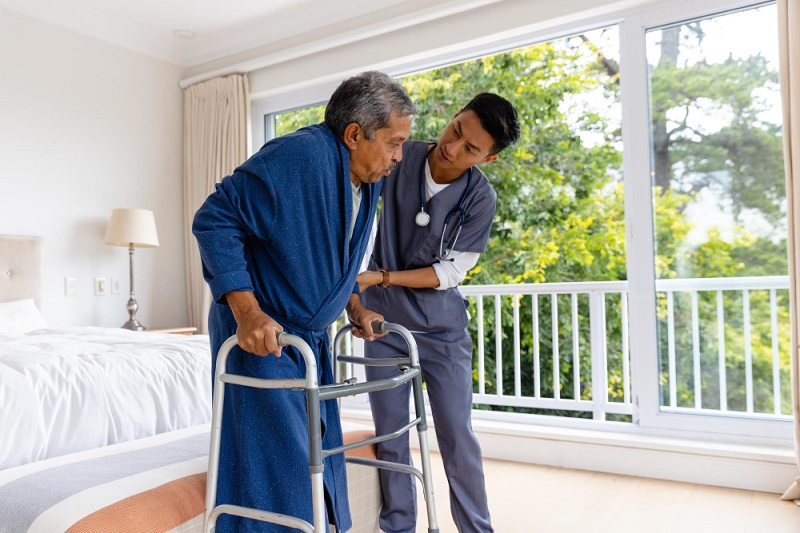
 Recovery rarely follows a straight line. Whether someone is healing from a critical illness, surgery, mental health condition, or substance use disorder, the transition from intensive care to independent living requires careful planning. Step-down care plays a crucial role by bridging the gap between high-level treatment and everyday life.
But a very common question that patients and families ask is this: How long should step-down care last? Although there is no universal timeline, there are evidence-based guidelines and clear patterns and benchmarks that can help set expectations.
This article explores how step-down care works, typical recovery timelines across different settings, and the factors that influence how long someone should stay in this transitional phase.
What Is Step-Down Care?
Step-down care is a planned transition from an intensive level of treatment to a less rigorous one once a patient shows signs of improvement. It exists across multiple healthcare contexts that include the following:
- Hospital recovery (ICU to general ward)
- Rehabilitation (inpatient rehab to outpatient therapy)
- Mental health care (residential treatment to outpatient care)
- Addiction recovery (detox to rehab to aftercare)
The key goal is to provide enough support to ensure stability while gradually increasing independence. Without this phase, patients are at an increased risk of complications, relapse, or readmission.
Why Step-Down Care Duration Varies
Step-down care is not a one-size-fits-all approach; it is highly individualised because recovery depends on multiple variables:
Severity of the Initial Condition: Patients recovering from major surgeries or critical illnesses require longer monitoring than those recovering from mild conditions.
Speed of Stabilisation: The step-down phase shortens when vital signs, symptoms, and functioning stabilise faster.
Presence of Comorbidities: Chronic medical conditions, such as heart disease and diabetes, can delay recovery and extend the care timeline.
Psychological Readiness: Recovery from mental health illnesses and addiction requires emotional stability and coping skills in addition to physical health.
Age and Lifestyle: Younger patients recover faster than older adults. Patients who maintain good nutrition and those who do not smoke and drink can experience a faster and more effective recovery.
Support System: Family and community support hasten the transition compared to those who lack it.
Healthcare Logistics: Length of hospitalisation is also affected by insurance approval, bed availability, and discharge planning.
Also Read: Transitioning a Parent from Independent Living to Assisted Living
Typical Step-Down Care Timelines by Setting
Although timelines vary, research and clinical data provide useful benchmarks across different types of care.
Hospital Step-Down Units (Post-ICU Recovery)
In medical settings, step-down care usually occurs in step-down units. The typical duration is 2 to 7 days. Minor procedures may require a shorter stay of 1 to 2 days, while complex procedures (e.g., heart procedures) may require longer stays of 5 to 9 days. These units monitor patients who are stable enough to leave the ICU but still need close observation.
The key discharge milestones are stable vital signs without intensive monitoring, reduced need for specialised equipment, and the ability to manage symptoms with less intensive care.
Rehabilitation and Skilled Nursing Step-Down Care
After hospital discharge, some patients may transition to rehabilitation centres or skilled nursing facilities. The typical duration is 1 to 4 weeks. Some patients recovering from stroke or severe injuries may require several months. These programs focus on physical therapy, occupational therapy, and regaining independence in daily activities. The timeline is heavily dependent on how quickly a patient can walk, eat, dress, and perform daily tasks independently.
Mental Health Step-Down Programs
In mental health recovery, step-down care often involves inpatient treatment lasting several weeks to a few months, with a gradual reduction in therapy intensity. Programs may include partial hospitalisation and intensive or standard outpatient programs. The goal is not only symptom reduction but also gradual reintegration into daily life while maintaining emotional stability.
Addiction Recovery Step-Down Care
Addiction treatment uses one of the most structured step-down models, with the typical duration lasting 3 to 6 months, and in some cases, extending up to 12 months for sustained recovery. This phase focuses on relapse prevention, support systems, real-world coping skills, and accountability. In substance abuse recovery, the longer the engagement in step-down care, the better the long-term outcomes.
Signs a Patient Is Ready to Step Down Further
Step-down care is not about time alone; it is also about patient readiness. Clinicians assess several factors before moving a patient to the next level:
Medical Readiness: This includes stable vital signs, reduced need for monitoring or intervention, and symptomatic control.
Functional Readiness: This includes improved mobility, the ability to perform daily activities, and therapy participation.
Psychological Readiness: This includes emotional stability, appropriate coping skills, and engagement in recovery.
Environmental Readiness: This includes a safe home environment, accessible follow-up care, and support system availability.
When these criteria are met, patients can safely transition to a lower level of care.
Also Read: Health Care Insurance for Elders
Risks of Ending Step-Down Care Too Early
One of the biggest mistakes in recovery is rushing the transition. Premature termination of step-down care can lead to hospital readmission, relapse (in addiction or mental health conditions), complications, and loss of treatment progress. Improperly managed transitions are considered a high-risk period soon after leaving structured care.
Can Step-Down Care Be Extended?
Recovery is dynamic, and patients may recover rapidly, reducing the hospital stay, or they may have to extend their hospital stay if progress is slow or symptoms worsen. This flexibility is a vital principle of modern healthcare systems, which ensures patients receive the right level of care at the right time.
The Role of Personalised Care Plans
Most effective step-down programs are individualised from the beginning. A robust step-down care plan includes clear recovery milestones, coordination between healthcare providers, and continuing monitoring and reassessment. Importantly, step-down planning should begin at the time of patient admission, not discharge.
How to Know If the Timeline Is Right
Patients and families are often anxious and worry if they are moving too slowly.
Here are some questions that can guide you:
- Can the patient function without structured support?
- Has symptom stabilisation been fully achieved?
- Can they safely manage their daily activities?
If the answer to any of these is “no”, extended step-down care may be necessary.
Key Takeaways
Step-down care is a crucial transition phase in the recovery process. Step-down care timelines are not fixed; they vary based on the patient’s condition, progress, and support systems. Durations can range from days to weeks to months. Readiness, not time, is the most important factor in determining when to move forward. Extended and well-structured step-down care often leads to better long-term outcomes.
Final Thoughts
Step-down care should last till the patient is safe, stable, and has a sustainable recovery. It is individualised and depends on the nature of a patient’s medical condition and their overall health. Step-down care is a strategic investment in long-term health, not a delay. Rushing the process may save time in the short term, but it often causes setbacks later. A well-paced recovery, supported by appropriate step-down care, provides the best chance for lasting success.
Frequently Asked Questions About Step-Down Care Timelines
1. What is step-down care in healthcare?
Step-down care is a transitional phase where patients move from intensive treatment (like ICU or inpatient care) to a less intensive level of care while still receiving medical supervision and support.
2. How long does step-down care usually last?
The duration varies depending on the patient’s condition. It can range from a few days (post-ICU recovery) to several weeks or months (rehabilitation, mental health, or addiction recovery).
3. Why do step-down care timelines differ for each patient?
Timelines differ due to factors like severity of illness, recovery speed, age, comorbidities, psychological readiness, and availability of family support.
4. What are the different types of step-down care?
Step-down care includes hospital step-down units, rehabilitation centers, skilled nursing facilities, mental health programs, and addiction recovery aftercare.
5. What happens during step-down care?
Patients receive ongoing monitoring, therapy (physical, occupational, or psychological), medication management, and support to gradually regain independence.
6. How do doctors decide when a patient is ready to leave step-down care?
Doctors assess medical stability, functional ability, psychological readiness, and the safety of the home environment before progressing to the next level of care.