
 Medical equipment at home can significantly improve comfort, mobility, and recovery for patients and caregivers. Whether to rent or buy depends on medical needs, duration of use, and budget.
Common Medical Equipment Used at Home
- Hospital beds
- Oxygen concentrators
- Wheelchairs and walkers
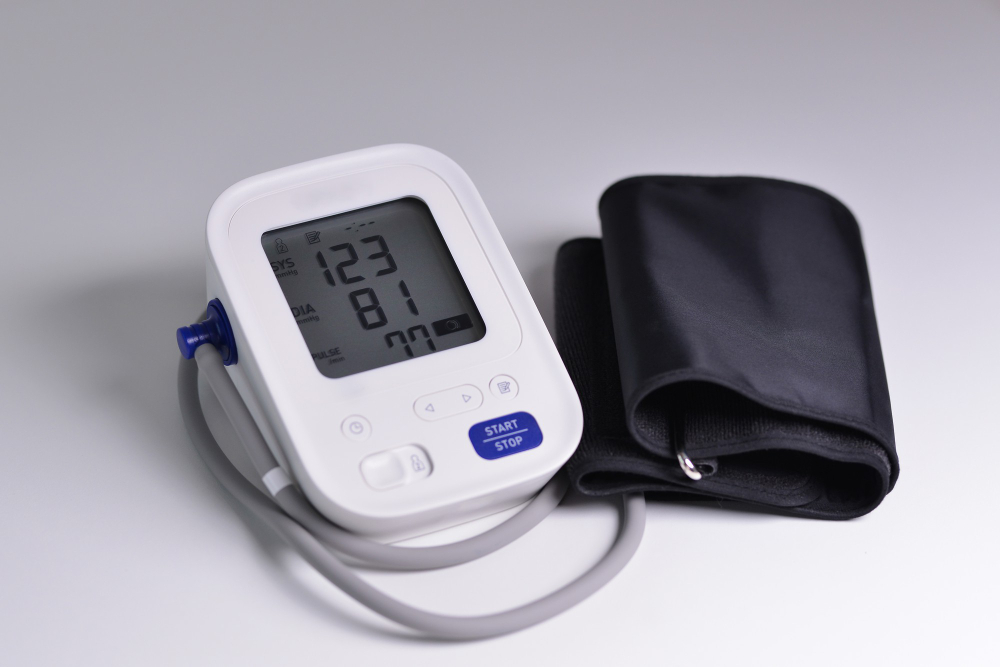
- Blood pressure monitors
- Nebulizers
- Compression stockings
- Heating pads and ice packs
- First-aid kits
Renting vs Buying: How to Decide
Renting is ideal when:
- Equipment is needed for short-term recovery
- You want to avoid high upfront costs
- Storage and maintenance are concerns
Buying makes sense when:
- Equipment is required long-term or permanently
- Frequent use justifies the investment
- Customisation and immediate availability are important
Also Read: Handling chronic pain as you age
Safety and Usage Guidelines
Proper usage is essential for safety and effectiveness.
Heating Pads & Ice Packs
Use for short sessions and always follow the manufacturer’s instructions. Avoid direct skin contact, especially with ice packs. Stop use if there is redness, numbness, or a burning sensation.
Compression Stockings
Select the correct size and compression level, preferably with the guidance of a medical professional. Discontinue use and consult a healthcare professional if you notice pain, numbness, swelling, or skin discolouration.
Oxygen Concentrators
Use only as prescribed by a doctor. Keep the device away from open flames or smoking areas and ensure adequate ventilation at all times.
Blood Pressure Monitors
Upper-arm monitors are generally more reliable. If using a wrist monitor, ensure it is positioned at heart level to avoid inaccurate readings.
First-Aid Kits
Regularly check expiry dates and replace used or outdated items to ensure readiness in the event of an emergency.
Also Read: Simple exercises for people over 75
Maintenance and Hygiene
- Clean and disinfect equipment as recommended
- Inspect devices regularly for wear or malfunction
- Ensure caregivers are trained in correct usage
Conclusion
Medical equipment at home plays a vital role in improving recovery, comfort, and independence. Whether you choose to rent or buy, the key is selecting the right equipment, using it safely, and seeking professional guidance when needed.
This article is for general awareness and is not a substitute for medical advice. Please consult a qualified healthcare professional for personalised guidance.
Frequently Asked Questions (FAQs)
1. What are the benefits of using medical equipment at home?
Medical equipment at home improves patient comfort, supports faster recovery, enhances mobility, reduces hospital visits, and promotes independence and safety.
2. Is it better to rent or buy medical equipment for home use?
It depends on duration and usage. Renting is ideal for short-term needs, while buying is better for long-term or permanent medical requirements.
3. Which medical equipment is commonly used at home?
Hospital beds, oxygen concentrators, wheelchairs, walkers, BP monitors, nebulizers, compression stockings, heating pads, ice packs, and first-aid kits are commonly used.
4. When should medical equipment be rented instead of bought?
When recovery is short-term, budgets are limited, storage is difficult, or maintenance is a concern, renting is the better option.
5. When is buying medical equipment more beneficial?
Buying is suitable for long-term conditions, frequent usage, personal customization needs, and when immediate availability is important.
6. Is rented medical equipment safe to use?
Yes, when rented from certified providers who follow proper cleaning, sanitization, and maintenance protocols.